
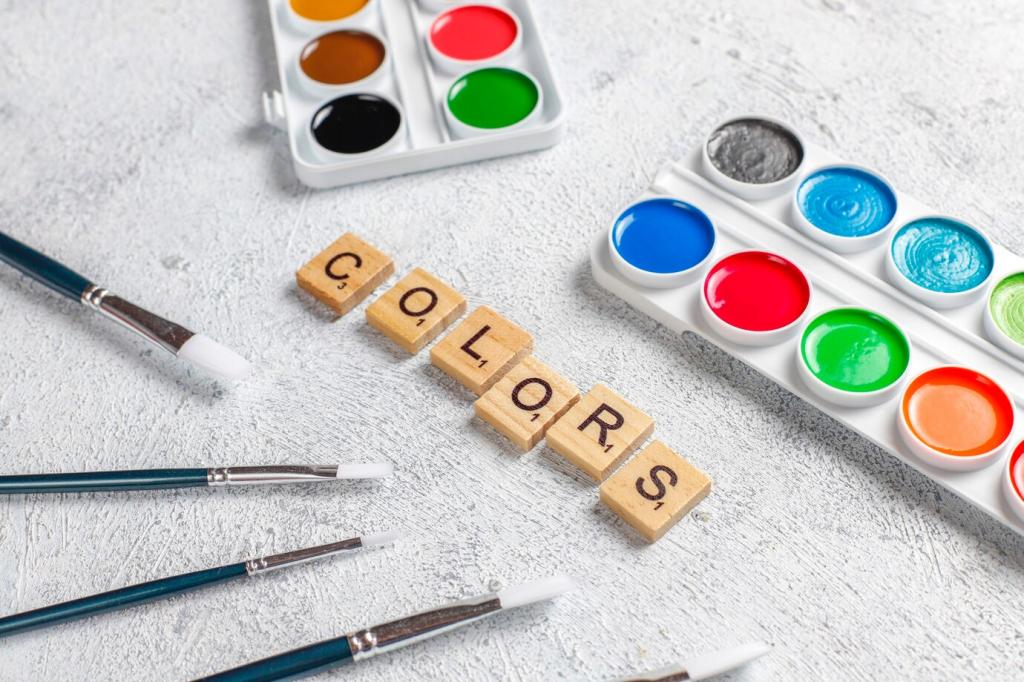

Tools for Digital Color Selection: Find Your Perfect Hue

Chosen theme: Tools for Digital Color Selection. Explore practical techniques, smart workflows, and trustworthy tools that help you choose colors with confidence, clarity, and creativity. Join the conversation, share your favorite utilities, and subscribe for weekly color strategies.

This is the heading

Lorem ipsum dolor sit amet, consectetur adipiscing elit. Ut elit tellus, luctus nec ullamcorper mattis, pulvinar dapibus leo.

This is the heading

Lorem ipsum dolor sit amet, consectetur adipiscing elit. Ut elit tellus, luctus nec ullamcorper mattis, pulvinar dapibus leo.

From Photo to Palette in Seconds
Tools like Adobe Color and Coolors can extract harmonious swatches from photographs or screenshots, letting you anchor key hues and refine supporting tones. Adjust quantization, pick median values, and name swatches meaningfully. Which image‑to‑palette tool feels most reliable for you? Share your favorite and why it wins.
Beyond Complementary: LCH‑Driven Harmonies
Classic wheels suggest complementary, analogous, and triadic sets, but LCH keeps perceived lightness consistent across variants. Try creating UI states with stepped LCH lightness so hover and disabled tones remain predictable. Want a challenge? Build a 60‑30‑10 layout using LCH‑balanced accents and post your results below.
Story: The Café Rebrand Saved by a Lock Button
During a rushed rebrand, we locked the café’s exact red in a generator, shuffling only supporting hues until a balanced, cozy palette emerged. It preserved equity and improved readability. That single lock button spared days of debate. Subscribe for the full breakdown and templates you can reuse tomorrow.

Designing for Everyone: Contrast and Accessibility

01

Contrast That Works in Sunlight

WCAG recommends 4.5:1 for body text and 3:1 for large text and UI components. Use WebAIM, Stark, or Axe to verify ratios, then test outdoors on a phone under bright light. Want a quick win? Audit your top five screens this week and share what surprised you most.
02

Simulate Vision Diversity, Design With Empathy

Color‑blindness simulators for deuteranopia and protanopia reveal where color alone carries meaning. Add patterns, icons, and text labels to states so information survives hue changes. Run your designs through simulators and annotate decisions. Which tool changed your perspective? Post it and help the whole community.
03

Checklist: Pass First Time

Define a neutral base, generate state variants, validate contrast on real components, and set minimum sizes before polishing. Automate checks with Figma or browser plugins, and document approved pairs as tokens. Want our living checklist? Subscribe and comment “contrast checklist” so we can send it directly.

Calibrated Confidence: Color Management Basics

Why sRGB Still Matters Online

Most users view the web in sRGB, even as wide‑gamut P3 grows. Designing in wide gamut without soft‑proofing can cause neon surprises. Export sRGB for safety, and progressively enhance where P3 is supported. Have you tried P3 in production? Comment with your support strategy and measured impact.

Quick Calibration, Big Payoff

A SpyderX or i1Display, gamma 2.2, D65 white point, and reasonable brightness tame wild deviations. If hardware tools aren’t available, use built‑in calibration wizards and reduce ambient glare. Calibrated or not, always verify critical hues on multiple devices. Share your calibration routine so others can replicate it.

Lesson Learned: The Oversaturated Jungle

I green‑lit a lush palette on a wide‑gamut monitor, then watched it scorch on typical laptops. Soft‑proofing to sRGB and limiting chroma fixed it. Now I preview on three devices before shipping. Have a cautionary tale? Add it below and help us build smarter safety habits.

Browser, IDE, and Design App Color Tools

Live‑Editing CSS Colors Like a Scientist

Chrome and Firefox DevTools let you drag channels, toggle formats, preview contrast, and visualize transparency in context. Iterate on hover, focus, and active states directly in the DOM and copy results back to tokens. Try it today and report your favorite hidden shortcut in the comments.

Modern Formats: OKLCH, color(), and P3

OKLCH offers perceptual control that maps neatly to human intuition. Use color() for P3 where supported, and keep sRGB fallbacks. Monitor caniuse data, and rely on converters or plugins to translate between spaces. Have you shipped OKLCH yet? Share your approach and any rendering quirks you discovered.

Tokens, Styles, and Single Source of Truth

Centralize colors as tokens in Figma and sync via Style Dictionary to CSS, Android, and iOS. Version them in Git, review diffs visually, and tag intent in commit messages. Want a starter JSON and CI script? Subscribe and comment “token pipeline” to get our ready‑to‑fork bundle.

AI and Collaboration for Color Decisions

Describe mood, audience, accessibility goals, and constraints like sRGB or AAA contrast targets. Feed a brand anchor hue, request OKLCH steps, and verify with contrast tools before approval. What prompt gives you reliably useful palettes? Post it below, and we’ll compile the best for subscribers.
Silkildart
Privacy Overview

This website uses cookies so that we can provide you with the best user experience possible. Cookie information is stored in your browser and performs functions such as recognising you when you return to our website and helping our team to understand which sections of the website you find most interesting and useful.